The floor
A stable place to slow down, notice, and reset.
Movement + recovery
If the same stretch or exercise keeps missing, more effort may not be the answer. Find what is not doing its job, get the parts working together, then build capacity.
Start with a sessionThe tools
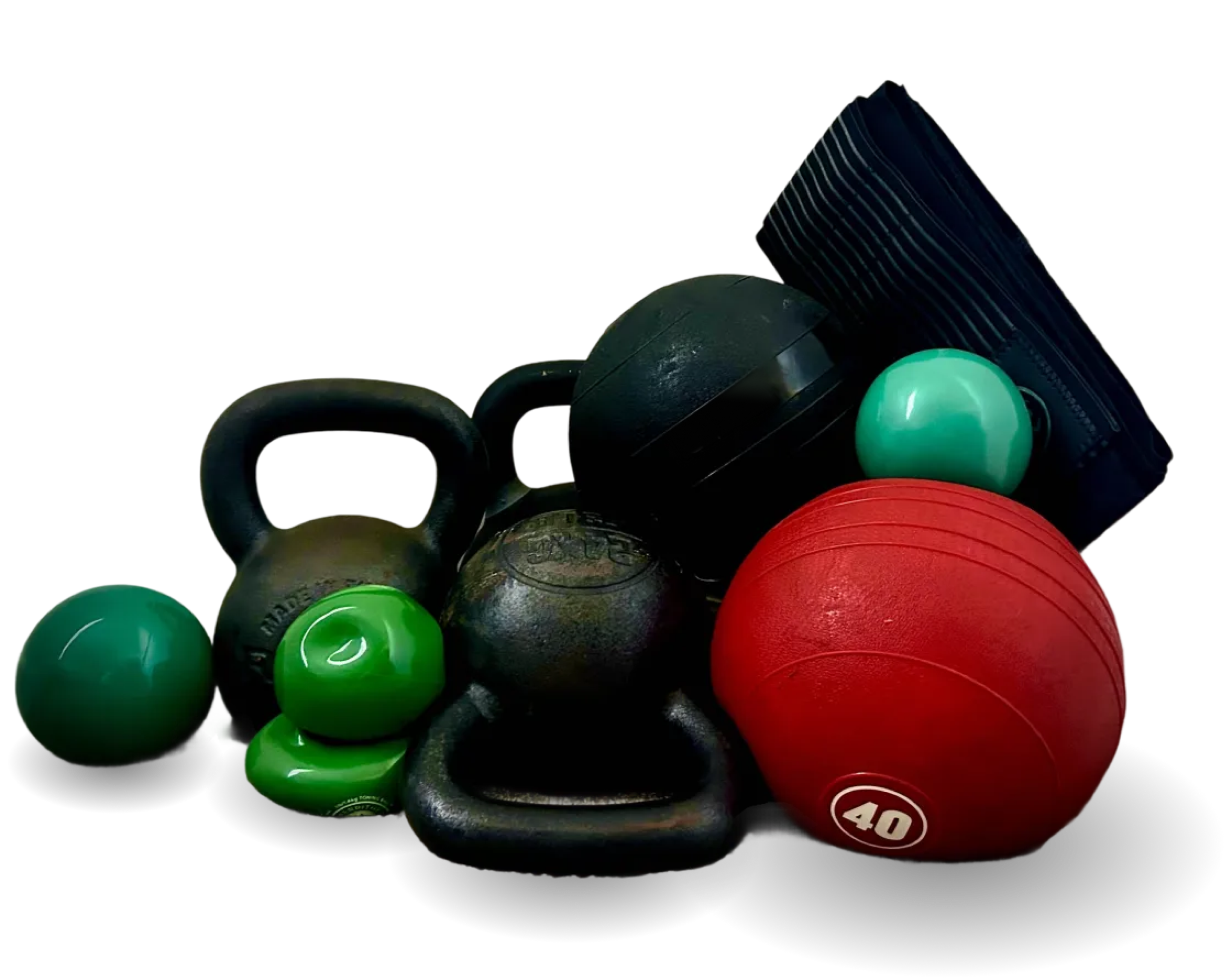
A floor, your body, your breath, and a small feedback tool can reveal compensation, wake up missing options, and show what changes when the movement is tested again.
A stable place to slow down, notice, and reset.
Movement is both the assessment and the practice.
Breathing helps create space, awareness, and ease.
Gentle feedback can help you sense and explore tension.
The progression
The sore or tight place may be picking up the slack for a part that is not contributing. Look beyond the symptom and find what is missing.
Use position, breath, rotation, pressure, and controlled movement to give the system a better choice. Then re-test the task.
Once the pattern works better, add load gradually so the tissues build capacity and the change holds up outside the session.
Simple tools. Useful feedback.
Connected anatomy
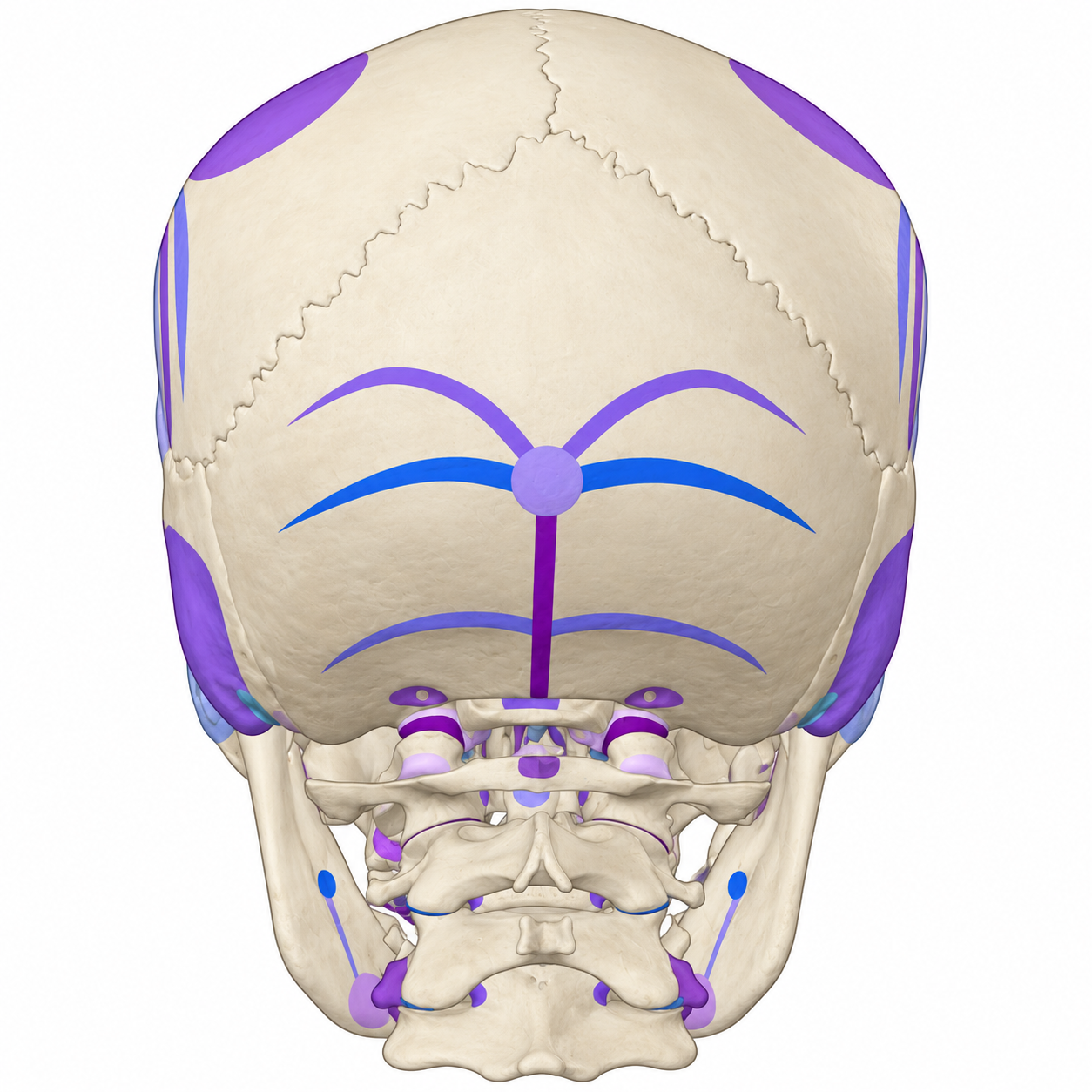
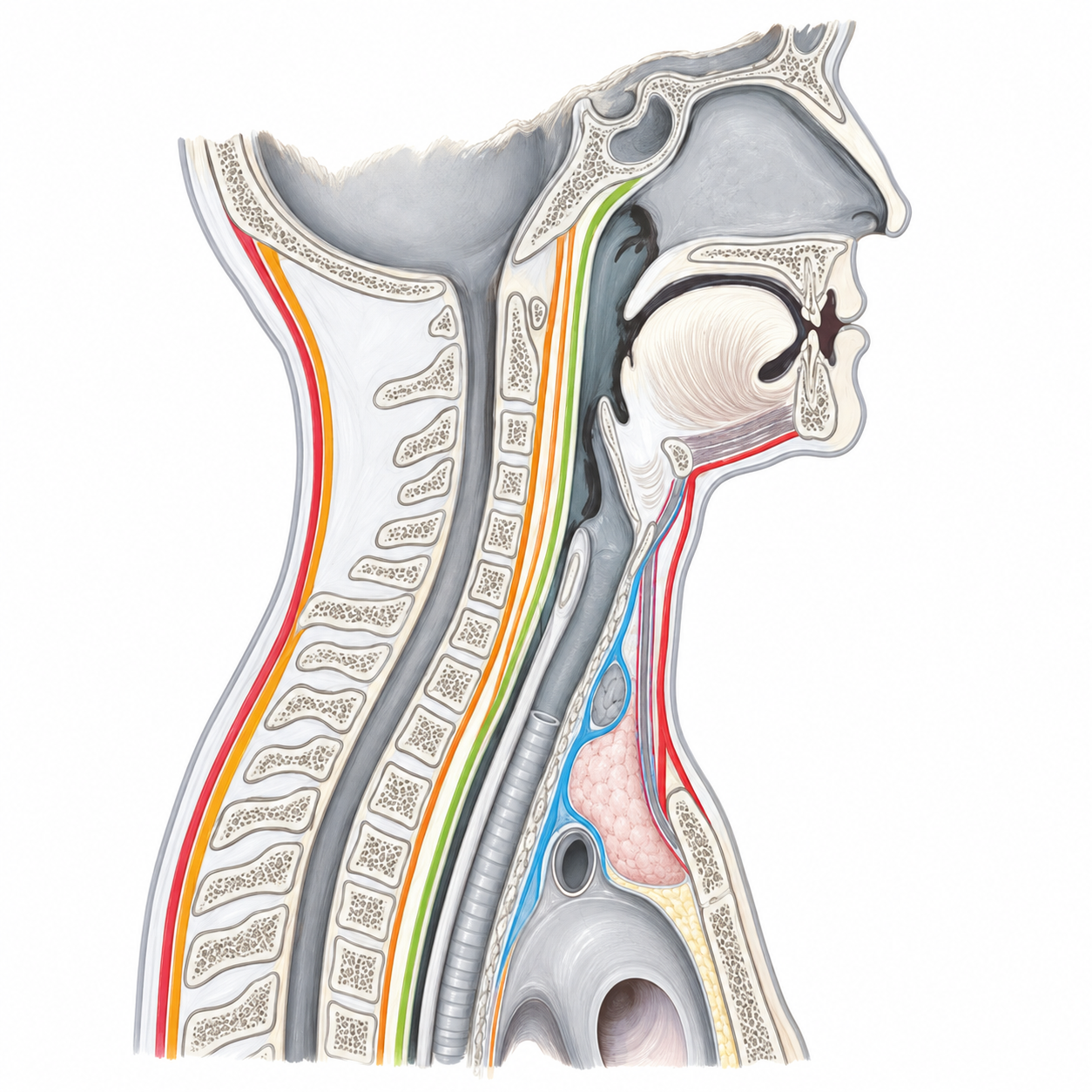
Connected anatomy
A visual map of the connective tissue layers surrounding the head, neck, chest, abdomen, and pelvis.
View the full diagram ↗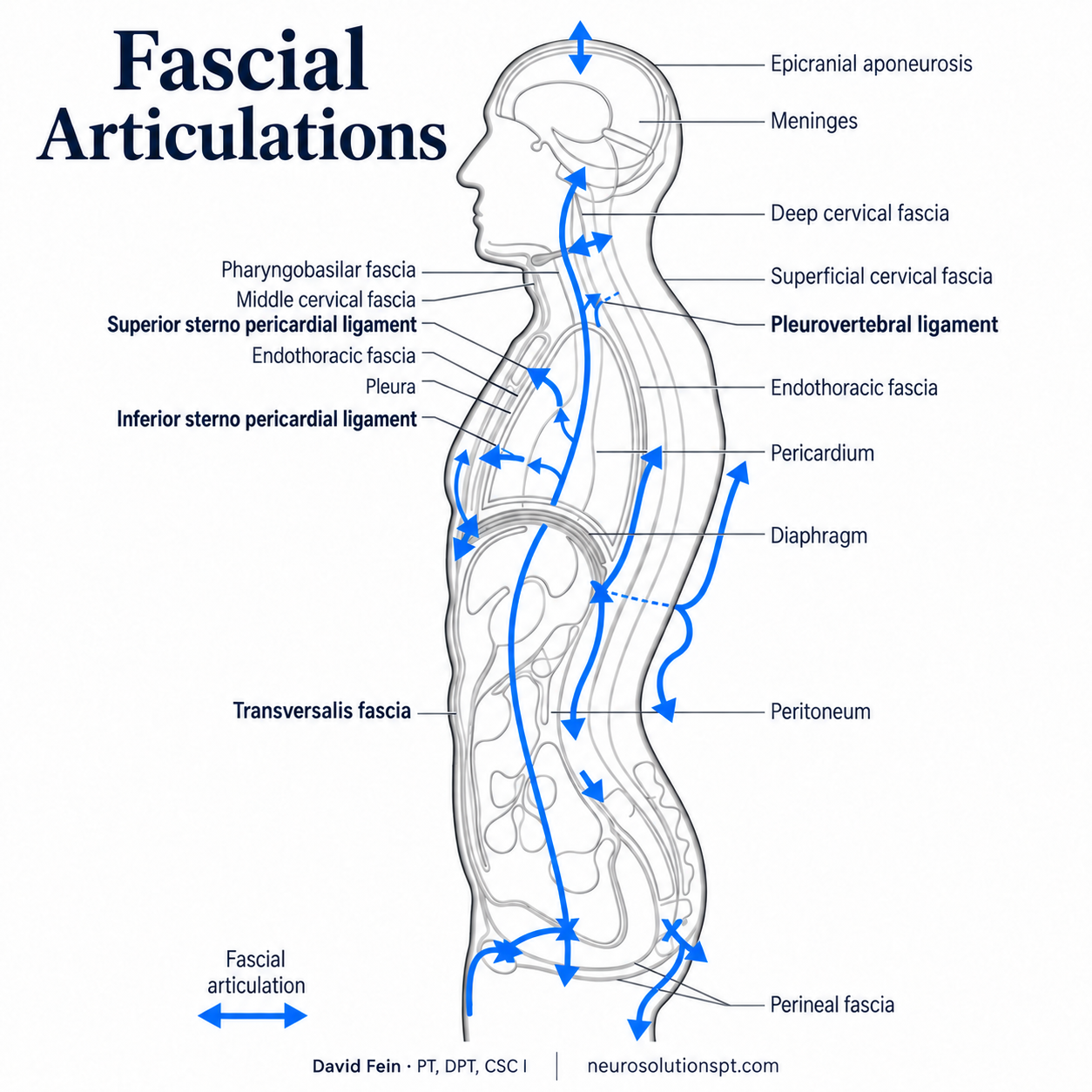
How a session works
We start with the task that matters, identify the limiting link, create a better movement option, and check whether the task changes. When it does, we layer in strength and load so the result becomes usable—not just temporary.
One-to-one movement coaching
Google reviews
Excerpts about in-person care. Individual experiences; results vary. Online movement coaching is a separate service.
Migraine relief
“I can’t even remember the last time I had a migraine!!!”
Neck, shoulder & back pain
“tremendous relief and near elimination of my pain.”
Hip & back pain
“the pain has completely disappeared.”